
 Add your solution
Menu

What to do with unsold clothes after the EU destruction ban: a brand playbook
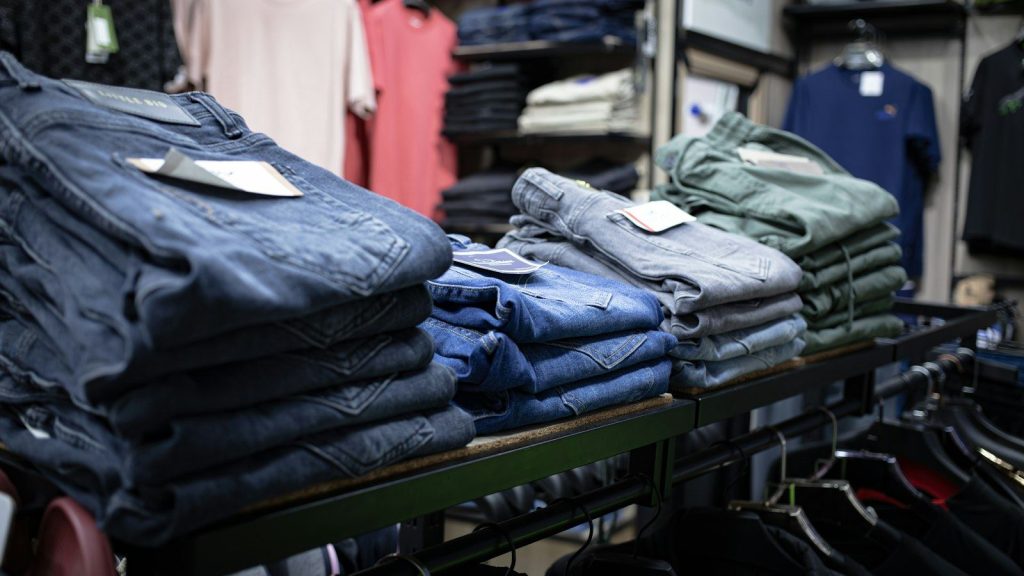
Short answer: since 19 July 2026, large companies in the EU may not destroy unsold clothes, clothing accessories and footwear, except in specific cases. The European Commission says brands must prioritise keeping products in use: first sell them (including at a discount or in other markets), then donate them to charities or social enterprises, or prepare them for reuse through repair, refurbishment or remanufacturing. Recycling is not a free alternative: under the EU rules it counts as destruction, so it is only for stock covered by an exception, and you must be able to prove that exception. In practice, that means sorting every unsold item into a route, working with a small set of partners per route and keeping records for five years.
This playbook covers the operational side: the routes in order, which partner types fit each, a decision sequence and the records to keep. For the legal detail, see our guide to the ESPR destruction ban.
This article reflects official EU sources and company websites as they stood on 13 November 2026. It is not legal advice.
What counts as unsold stock
The definition is wider than “last season’s leftovers”. Under the Ecodesign for Sustainable Products Regulation (ESPR), an unsold consumer product includes surplus stock, excess inventory and deadstock, and products returned by a consumer under their right of withdrawal, or during any longer withdrawal period the trader offers (Regulation (EU) 2024/1781, Article 2(37)). So online returns are in scope, not just warehouse stock.
“Destruction” is also defined broadly: the intentional damaging or discarding of a product as waste, except when it is discarded only to be delivered for preparing for reuse, including refurbishment or remanufacturing (Article 2(34)). The regulation’s recitals say destruction covers recycling, other recovery and disposal, while preparing for reuse is not destruction (recital 55).
Who is covered: the ban applies to large enterprises now and to medium-sized enterprises from 19 July 2030. Micro and small enterprises are exempt (Article 25(1)). Separately, every company covered must take measures that can reasonably be expected to prevent the need to destroy unsold products (Article 23). That is the job of the playbook below.

Route 1: sell it, at full price, at a discount or in another market
Selling comes first, and the Commission explicitly includes discounts and alternative markets (European Commission, 17 July 2026). In practice, brands combine several channels so that stock moves before it ages or gets damaged in storage.
- Own channels. Archive sales, sample sales, outlet sections on your site, staff sales and B2B clearance to existing wholesale accounts.
- Online outlets. Off-price platforms that sell brands’ older collections. Otrium, for example, says it partners with fashion brands “to sell archive or older collections”.
- Unsold-stock tools on your own site. Diatome describes redistributing “unsold items, non-compliant returns, prototypes, and end-of-line products” through a brand’s e-commerce store and partner marketplaces.
- Managed recovery of returns and damaged stock. Birl describes fully managed triage, cleaning, repair, listing and sale of damaged, returned and excess stock.
- B2B marketplaces. HIDNstock runs a B2B marketplace where brands can list excess inventory in bulk, with optional anonymous listings for brand protection, for redesigners and upcyclers to buy.
For more options, see our best resale platforms in Europe, the branded resale platforms directory and our guide on how to choose a resale partner.
Operational tip: set an ageing rule (for example, each season’s leftovers move to a defined next channel by a fixed date) so stock is routed while it can still sell, rather than after it has sat for years.
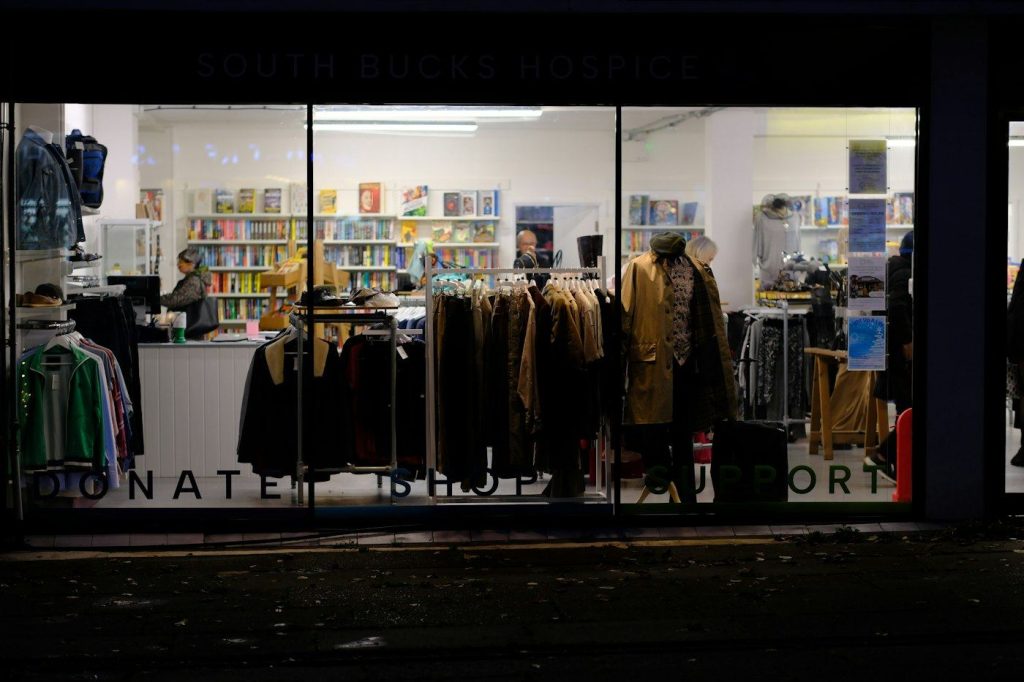
Route 2: donate it to charities or social enterprises
Donation is the second route the Commission names. Look for partners that can take finished garments at the volumes and sizes you produce, and that can confirm in writing what they accept and what happens to items they cannot use. Give Your Best, a UK social enterprise, says it partners with premium fashion brands “to recirculate unsold stock” to people living in clothing poverty.
Donation also matters for the exceptions. If none of the other exceptions apply, unsold products may only be destroyed after they have been offered for donation, either directly to at least three suitable social economy entities in the EU, or on an easily accessible page of your own website for at least eight weeks, and nobody accepted them (Delegated Regulation (EU) 2026/296, Article 2(h)). Keep evidence of the offer.
Two practical points:
- Brand protection. If you need labels removed or items marked before donation, agree it in the contract and budget for the labour.
- What happens next. A social economy entity that receives your donation may itself destroy items if no recipient can be found (Article 2(i)). Ask partners how they report on this.
Route 3: prepare it for reuse through repair, refurbishment or remake
Stock that cannot be sold as it is (stained, missing a button, a faulty zip, a returns-handling mark) can often be restored and sold through Route 1. This matters because the damage exception only applies where repair and refurbishment are not technically feasible or not cost-effective (Article 2(f)). “Cost-effective” is defined: the repair cost must not outweigh the total cost of destroying the product and of the materials, manufacturing, packaging, transport, stocking and other expenses of replacing it (Article 1(2)).
- Industrial restoration of stock and returns. Reekom (formerly Tilli) says it restores “production defects, e-commerce and in-store returns to resellable condition”.
- Repair partners and renewal services. See United Repair Centre, The Renewal Workshop and our best clothing repair services in Europe and garment repair services directory.
- Remake and upcycling. Turning surplus garments into new products. See the deadstock suppliers and marketplaces guide, the best deadstock fabric suppliers in Europe, and the Upcycling category.
If you are building repair capacity anyway, our guide on how to launch a clothing repair programme covers operating models and costs.
Route 4: recycle, only when an exception applies
The Commission says destruction is only allowed in specified circumstances and must follow the waste hierarchy, giving priority to recycling. The exceptions in Delegated Regulation (EU) 2026/296, Article 2, are, in short:
- dangerous products under the General Product Safety Regulation, or products that do not comply with other EU or national law where destruction is required or proportionate;
- products that infringe intellectual property rights, or whose licence period has expired;
- products where labels, logos or recognisable design features protected by IP, or considered inappropriate, cannot technically be removed or made permanently inaccessible;
- damaged, deteriorated or contaminated products (including hygiene issues) where repair is not technically feasible or cost-effective;
- products unfit for purpose because of design or manufacturing defects that cannot technically be repaired;
- products offered for donation as described above but not accepted, and products received as donations by social economy entities, or prepared for reuse by waste treatment operators, for which no recipient could be found.
When stock genuinely falls into one of these, choose recyclers over incineration or landfill, and give the waste treatment operator a statement on which exception applies (Article 4). Find recyclers in our textile recycling companies in Europe guide, and see mechanical vs chemical recycling for how the processes differ. Sending unused, saleable stock to a recycler is not a way around the ban.
A decision sequence for every batch
- Classify. At intake or at season end, grade each batch: sellable as new, repairable, damaged beyond repair, defective, safety or legal issue, IP or label issue.
- Sell what is sellable. Route it through your own channels, then outlets or resale partners, before it ages.
- Restore what is repairable. Compare the repair cost with the full replacement and destruction cost, and record the comparison.
- Offer for donation. For what you cannot sell or restore, make a documented offer to at least three suitable social economy entities, or publish it on your website for at least eight weeks.
- Check the exception. Only if an exception applies, and you hold the evidence, send items for recycling first, with a statement to the operator.
- Feed back. Report volumes and reasons to buying, design and quality teams, so next season’s orders and specifications change. Our principle page on designing for minimal waste covers the design side.
Records to keep
Two sets of obligations apply to large companies, and both depend on good stock data.
| What | Details | Source |
|---|---|---|
| Evidence for each exception used | For example a safety assessment or test report, the IP decision or notification, an inspection record showing the damage and why repair was not feasible or cost-effective, or evidence of the donation offer. Keep it for five years after destruction, in electronic form, and supply it within 30 days if an authority asks. | Delegated Regulation (EU) 2026/296, Article 3 |
| Annual public disclosure of discarded unsold products | Number and weight discarded per product category, the reasons and any exception used, the share sent to preparing for reuse, recycling, other recovery and disposal, and the measures taken and planned to prevent destruction. Published on an easily accessible page of your website. | ESPR, Article 24(1) |
| Standard disclosure format | A common format with product categories based on customs (CN) codes. It applies from 2 March 2027, to products discarded in each financial year from the first full financial year after that date, with disclosure within 12 months of the year end. Donated products are not covered by the disclosure. | Implementing Regulation (EU) 2026/2, Articles 1, 3 and 7, recital 3 |
| Proof of delivery and treatment | Documents showing delivery to and reception by waste treatment operators, including their statements on treatment, kept for five years after disclosure. | Implementing Regulation (EU) 2026/2, Article 4 |
A shared log per batch (SKU or style, quantity, weight, grade, route, partner, date, evidence file) covers most of this. If you already use traceability or product passport software, ask whether it can hold these records; see our best DPP software for fashion guide.
Practical takeaways
- Treat returns as unsold stock: they are in scope.
- Have at least one partner per route signed before the season ends, not after the warehouse is full.
- Write down your repair cost test and grading rules once, then apply them consistently. Our guide on how to grade, repair and resell e-commerce returns sets out a workable system.
- Do not market the programme as “zero waste” unless you can prove it; see our green claims guide.
- Keep an eye on textile EPR, which adds producer fees, and on the EU rules hub for dates. If you sell in France, national rules already cover some medium-sized companies (Commission Decision (EU) 2026/1435).
Frequently asked questions
What can brands do with unsold clothes instead of destroying them?
Sell them (including at a discount, through outlets or in other markets), donate them to charities or social enterprises, or prepare them for reuse through repair, refurbishment or remanufacturing. The European Commission says businesses must prioritise these routes.
Can we send unsold clothes for recycling?
Only when an exception applies. Under the ESPR, recycling counts as destruction. If an exception such as irreparable damage applies, recycling should be chosen ahead of other recovery or disposal, and you must keep the evidence.
Do customer returns count as unsold products?
Yes. The ESPR definition includes products returned by a consumer under the right of withdrawal, or during any longer withdrawal period offered by the trader.
What if no charity will take our stock?
Where no other exception applies, products may be destroyed only after being offered to at least three suitable social economy entities in the EU, or on an easily accessible page of your website for at least eight weeks, without being accepted. Keep evidence of the offer.
Which records do we need to keep?
Evidence for each exception used, kept for five years after destruction, and the data for an annual website disclosure of discarded unsold products: numbers, weights, reasons, treatment and prevention measures. A standard disclosure format applies from 2 March 2027.
Does the ban apply to small fashion brands?
Micro and small enterprises are exempt from the EU ban. Medium-sized enterprises are covered from 19 July 2030, although national rules (for example in France) may already apply. As of 13 November 2026; not legal advice.
Sources
- European Commission, Ban on destruction of unsold clothes and shoes enters into application, 17 July 2026.
- Regulation (EU) 2024/1781 (ESPR): Articles 2(34), 2(37), 23, 24 and 25, recital 55.
- Commission Delegated Regulation (EU) 2026/296 (derogations from the destruction ban), Articles 1 to 4.
- Commission Implementing Regulation (EU) 2026/2 (format for disclosing discarded unsold products).
- Commission Decision (EU) 2026/1435 (France’s national rules for medium-sized enterprises).
- Company websites accessed 13 November 2026: Otrium, Diatome, Birl, HIDNstock, Give Your Best, Reekom.
Related on SUSTAIN20™: ESPR destruction ban guide · Branded resale platforms · Garment repair services · Take-back and trade-in providers · How to set up a clothing take-back programme · How to choose a resale partner · Best deadstock fabric suppliers in Europe · What is circularity?
Header image: Photo: Zakaria Issaad / Unsplash
