
 Add your solution
Menu

How to set up a clothing take-back programme: a step-by-step guide for fashion brands
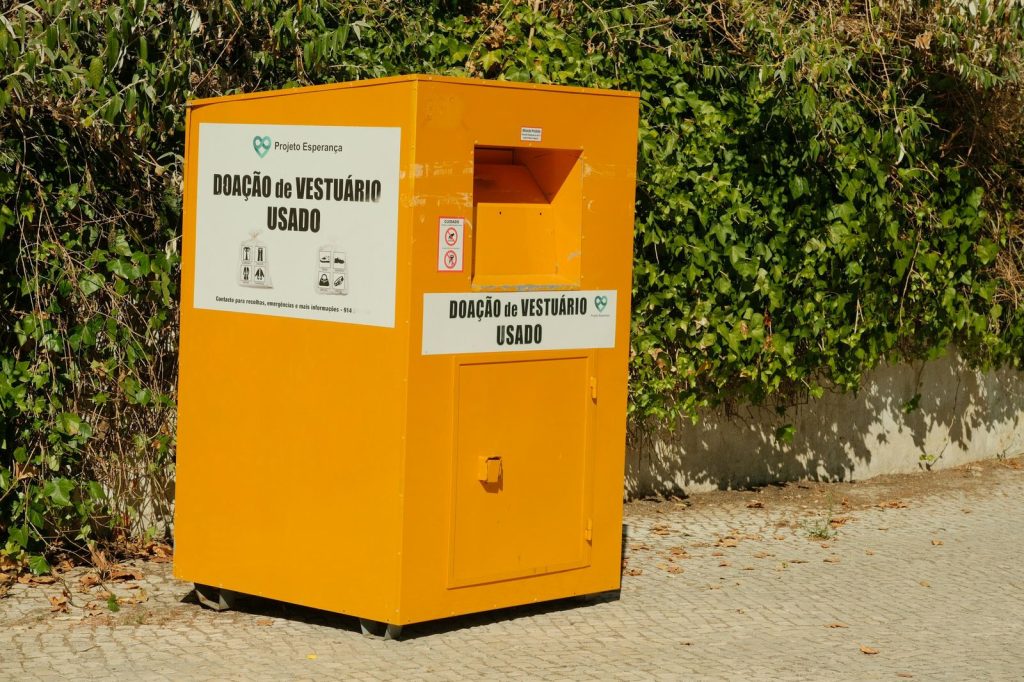
Short answer: to set up a clothing take-back programme, make six decisions in order. Define the scope (what you accept, from whom, in which markets), choose the incentive (store credit, cash, donation or none), pick the collection channels (in-store, mail-back or both), agree how items are sorted and where each grade goes (resale, repair, reuse, recycling), choose an operating model (in-house, a full-service partner or a mix) and set up reporting from day one. Then connect the programme to textile EPR, which will make producers pay for the collection and sorting of used textiles across the EU. Start with a time-limited pilot in one market.
A take-back programme can send items to resale, repair or recycling. If you are choosing which of those models to start with, see which circular business model a fashion brand should start with.
This guide is the practical playbook. For a list of companies that run take-back and trade-in for brands, see our clothing take-back and trade-in providers directory. For a shortlist of 12 European partners with a comparison table, see the best clothing take-back and trade-in providers in Europe.
This article reflects official EU sources and company websites as they stood on 14 November 2026. It is not legal advice.
Take-back, trade-in or both?
A take-back programme collects clothing customers no longer use, so it can be reused, resold, repaired or recycled. A trade-in programme does the same but rewards the customer with credit or payment, usually because the brand wants to resell the items. In practice the two blur: many programmes accept everything, reward items that qualify, and send the rest to reuse or recycling.
The difference matters for your economics. Trade-in only pays off if enough items can be resold, so it depends on a resale channel (see how to choose a resale partner). Take-back without resale is mostly a cost line, offset by customer engagement.
Step 1: define the goal and the scope
Write down what the programme is for before you choose a partner: bringing customers back, building second-hand stock for resale, learning how products fail, or preparing for EPR. The goal decides most of what follows.
- Which brands. Only your own products, or any brand? Own-brand programmes give more resellable stock and better product data; accepting any brand removes friction but adds low-value items. Returnal, for example, suggests accepting competitors’ products to convert those customers.
- Which products. Clothing only, or also footwear, accessories and home textiles?
- Which condition. Wearable only, or also worn-out items? Then you need a credible destination for what cannot be reused.
- Which markets. Start where you have stores or most online customers. Logistics and EPR rules are national, so each market is a small new project.
- Pilot size. Set a fixed period and a volume ceiling, so you can check costs and quality before you scale.
Step 2: choose the incentive
The incentive drives volume, cost and what you get back. The main options are:
- Store credit or a discount code. The most common choice, because the value is spent with you. On Finisterre’s take-back page, run by Reskinned, customers send items in and receive a discount code for qualifying items once the return has been verified.
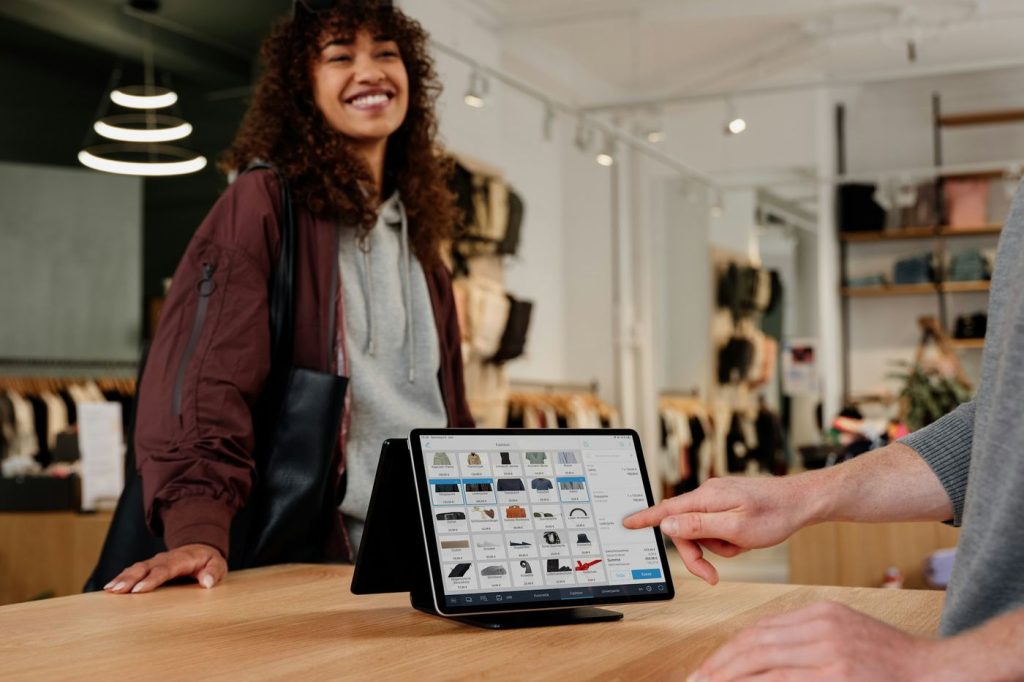
- Cash or gift cards. Easier for customers to understand, but the money can leave your business. Trove runs in-store and digital trade-in with instantly shoppable gift cards, and says its real-time decisioning engine sets item pricing and gift card payout to manage volume and profitability.
- Donation. The item, or its value, supports a charity. Lower cost, weaker pull on repeat purchases.
- No reward, or customer pays. Some services charge the customer for collection. Trashie, for example, sells a Take Back Bag to consumers for $20, with a $5 reward on drop-off for the first bag, according to its website.
Providers make strong commercial claims for credit-based models. Trove says trade-in customers generate more margin in their first visit than the cost of the gift card, and Returnal says customers typically spend more than three times their earned credit on their next visit. Treat these as the providers’ own figures and test them in your pilot.
Step 3: choose the collection channels
Channels decide how easy it is to take part and what each item costs to collect. Many brands combine the two main options.
| Channel | How it works | Good for | Watch out for |
|---|---|---|---|
| In-store drop-off | Customers bring items to a till or collection box; credit can be issued on the spot. | Footfall and immediate spend; brands with their own stores. | Staff training, storage space, store-to-hub logistics. |
| Mail-back | Customers register items online and post them with a prepaid label, or drop them at a parcel point. | Online customers and national reach. | Postage cost per parcel, packaging, customer service queries. |
| Partner collection points | Items go into a partner’s existing bins or drop-off network. | Low set-up effort. | Less control over the customer experience and the data. |
Providers usually support several channels. Supercircle offers trade-in in store, online or both, with a shipping label download and a drop-off network for at-home trade-ins, and says brands choose the channels, incentives and outputs. Reskinned says it handles the take-back tech set-up, in-store and online collection systems, and customer queries about the programme.
Step 4: plan sorting and destinations
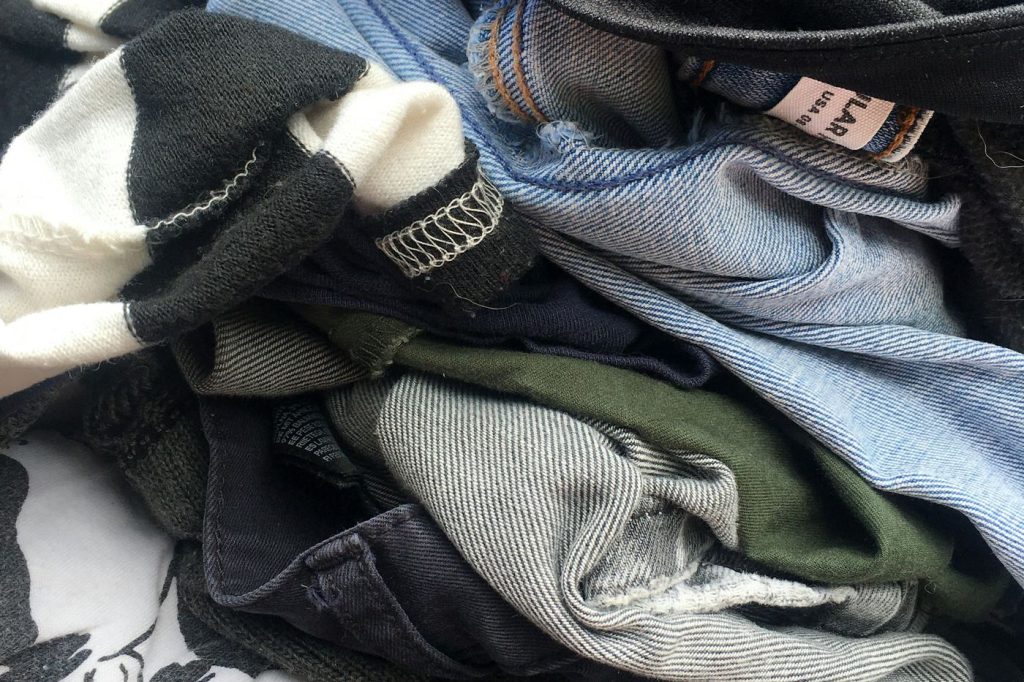
Sorting decides the value of a take-back programme. Every item needs a grade and a route, in an order that keeps products in use longest: resell, repair, pass on wearable items you will not sell, and recycle only what is left.
Two examples of how providers describe it:
- Grading for resale. Reskinned describes an initial inspection, grading, cleaning with an ozone process, simple repairs at an in-house repair station to a brand-approved standard, then photography and listing. It says it recycles only as a last resort.
- Industrial sorting. Texaid says trained employees check each garment by hand against around 60 criteria, and that it achieves a second-hand share of around 60 per cent, against a European industry average of between 45 and 50 per cent. It says around 15 per cent of items become cleaning cloths, around 15 per cent go to textile recycling and 10 per cent of the total is incinerated.
Agree in writing what happens to each grade, which downstream partners are used and where items end up. For the routes themselves, see our branded resale platforms, garment repair services and textile recycling companies in Europe directories, and mechanical vs chemical recycling for how recycling processes differ. For in-house repairs, see how to launch a clothing repair programme.
Check the waste status. Under the revised Waste Framework Directive, the European Commission says all separately collected textiles will be considered waste, and that Member States must ensure they are sorted before any shipment (European Commission, 16 October 2025). Ask your partner how items collected through your programme are classified in each market, and make sure whoever stores, transports and sorts them holds the permits that requires.
Keep your own unsold stock and returns separate, as they follow different rules; see what to do with unsold clothes after the EU destruction ban.
Step 5: choose an operating model and partner
There are three broad set-ups:
- Full-service partner. One provider runs the customer journey, logistics, grading, resale and end-of-life routes. Fastest to launch; check who owns the data and the customer relationship. Reskinned, for example, describes an end-to-end solution covering take-back, recommerce and end-of-life recycling.
- Software plus logistics partners. A trade-in platform handles the customer journey and credit, while separate partners handle sorting and recycling. More control, more contracts.
- In-house. Realistic mainly for brands with stores, warehouse space and repair skills, usually still with a sorter or recycler for what cannot be resold.
Questions to ask every partner:
- Which countries do you collect from and sort in, and which permits do you hold?
- What happens to each grade, and can you name the downstream partners?
- What do you charge (per item, per kilo, per parcel, revenue share), and who pays postage?
- Who owns the customer data, and how does credit connect to our e-commerce and point-of-sale systems?
- What reporting do you provide, how often, and is it per item or estimated?
Build a shortlist from the Take Back category.
Step 6: set up reporting from day one
Reporting turns a marketing initiative into something you can manage, and protects you from claims you cannot support. Supercircle, for example, says it reports across every unit, and Reskinned says it informs brands about consistent manufacturing issues. Agree a monthly report with at least these numbers:
| Metric | Why it matters |
|---|---|
| Items and kilos received, by channel and market | Volume and cost per item collected. |
| Share by grade and destination (resale, repair, reuse, recycling, other) | Shows whether items really stay in use; the basis for any public claim. |
| Credit issued, redeemed and spend on top | The commercial case for the incentive. |
| Resale revenue and sell-through of returned items | Whether trade-in pays for itself. |
| Total cost per item | Collection, postage, sorting, repair, recycling and fees. |
| Return reasons and common faults | Feedback for design, materials and quality. |
In marketing, say what you collected and what happened to it, with numbers, rather than “zero waste” or “fully circular”. Our green claims guide explains the EU rules.
If you later prepare a Digital Product Passport, ask your take-back partners which product data would make sorting, repair and reuse easier, and add it to your inventory. See a step-by-step Digital Product Passport preparation plan for 2027.
Step 7: connect the programme to EPR
Textile extended producer responsibility (EPR) changes the economics of take-back. The Commission says every Member State must set up an EPR scheme for textiles and footwear, in which producers pay a fee per product placed on the market to finance collection and the management of collected textiles, and that social economy enterprises may run their own collection systems.
So your own programme will sit alongside a collection system you pay for through EPR fees. Three practical steps:
- Map the markets where you place products on the market and check where a national scheme already exists, using our textile EPR guide.
- Ask the producer responsibility organisation in each market how a brand’s own collection relates to the scheme, and what data it expects.
- Keep programme data (weights, categories, destinations) in a format you could share.
EPR fees are also to be adjusted using criteria such as durability and recyclability; see our principle page on design for cyclability, the ESPR guide and the EU rules hub.
For how to estimate those fees in France and the Netherlands, the two countries that already publish tariffs, see how to budget for textile EPR fees in France and the Netherlands.
Launch checklist
| Decision | Done when |
|---|---|
| Goal and scope | Brands, categories, condition and markets are written down, with a pilot period and a volume ceiling. |
| Incentive | Reward type, value per item or grade, and redemption rules are set and costed. |
| Channels | Store, mail-back or both are chosen; staff are trained and packaging and labels are ready. |
| Sorting and destinations | Every grade has a named route and partner, and the waste status and permits are checked. |
| Partner contract | Prices, data ownership, integration, downstream partners and reporting are in the contract. |
| Reporting | A monthly report with the metrics above is agreed and the first report date is set. |
| Claims | Customer copy matches the data you will have. |
| EPR | Schemes in your markets are mapped and you have asked how your programme fits. |
Frequently asked questions
What is a clothing take-back programme?
A programme where a brand or retailer collects clothing customers no longer use, in store or by post, so it can be resold, repaired, reused or recycled. When customers receive credit or payment, it is usually called trade-in.
How do I start a take-back programme for my clothing brand?
Decide scope, incentive and channels, agree sorting and destinations, choose an operating model and partner, and set up reporting before launch. Start with a time-limited pilot in one market.
Should a take-back programme accept other brands?
It depends on the goal. Own-brand only gives more resellable stock and better product data. Any brand is easier for customers and can attract new ones, but adds low-value items that still need a destination.
What incentive works best?
Store credit or a discount code is the most common choice, because the value is spent with the brand. Test it in a pilot and measure credit issued, credit redeemed and spend on top.
What happens to the clothes after they are collected?
They are graded. Items in good condition are resold or reused, some are repaired, and the rest go to recycling or other uses. Ask your partner to report the share in each route.
Does textile EPR replace brand take-back programmes?
No. EPR makes producers finance the collection and management of used textiles through national schemes, while a brand programme is the brand’s own collection. Ask the producer responsibility organisation in each market how the two relate. As of 14 November 2026; not legal advice.
Sources
- European Commission, Revised Waste Framework Directive enters into force, 16 October 2025.
- Texaid, Sorting and Retail Solutions.
- Reskinned, Brand partnerships and Finisterre take-back.
- Supercircle, Consumer solutions.
- Trove, Resale and trade-in.
- Company websites accessed 14 November 2026: Returnal, Trashie.
Related on SUSTAIN20™: Repair vs resale vs recycling: which circular business model should a fashion brand start with? · Take-back and trade-in providers · Best take-back and trade-in providers in Europe · How to choose a resale partner · How to launch a clothing repair programme · What to do with unsold clothes · Textile EPR guide · What is circularity?
Header image: Photo: Timur Seyfelmlyukov / Unsplash
