
 Add your solution
Menu

Repair vs resale vs recycling: which circular business model should a fashion brand start with?
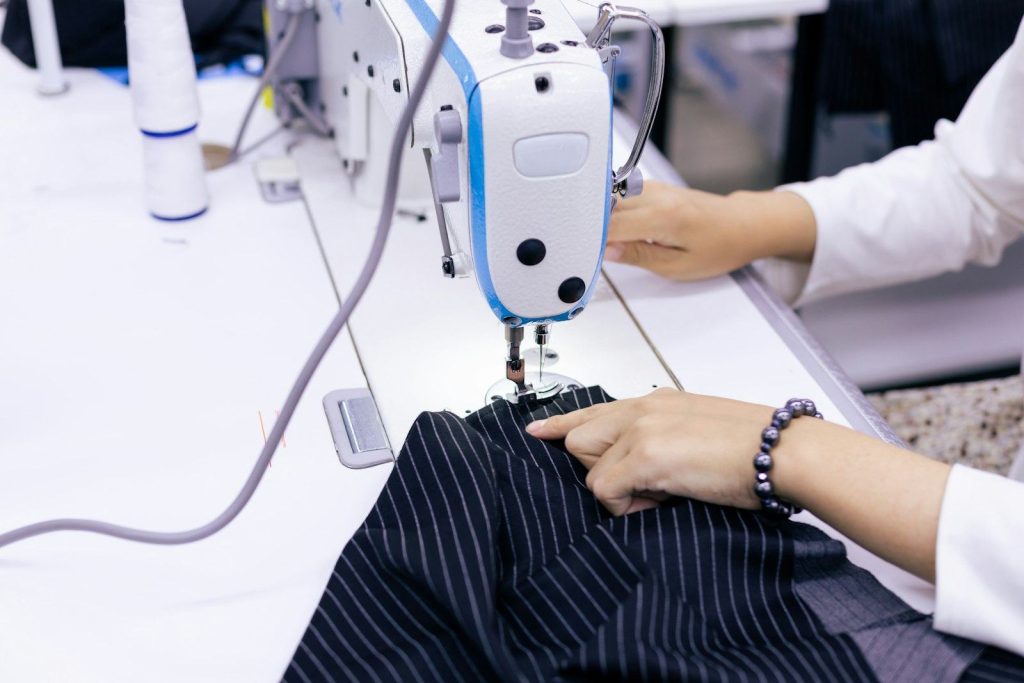
Short answer: most fashion brands should start with repair if their products are durable and they want a low-risk first step, or with resale (often paired with trade-in) if their products keep their value second hand and they have the volume to sell them again. Recycling is rarely the right circular business model to start with on its own: it is the destination for what cannot be repaired or resold, not a replacement for keeping products in use. Rental suits a narrower set of products, such as occasion wear and high-value items built to survive many cleaning cycles. Whatever you choose first, plan how it connects to the next model, because the strongest programmes combine them.
This article compares the main circular business models side by side. For providers, follow the links to our directory guides.
This article reflects official EU and European Environment Agency sources, research reports and company websites as they stood on 17 November 2026. It is not legal advice.
Why the choice of circular business model matters now
Three things make this a commercial decision rather than a side project.
- The market is real. The Ellen MacArthur Foundation estimates that resale, rental, repair and remaking were already worth more than USD 73 billion, and could grow from 3.5% of the global fashion market to 23% by 2030, a USD 700 billion opportunity. ThredUp’s 2026 Resale Report projects the global second-hand apparel market to reach USD 393 billion by 2030, growing twice as fast as the overall apparel market.
- Most used textiles are still lost. The European Environment Agency (EEA) reports that the EU generated about 6.94 million tonnes of textile waste in 2022, around 16 kg per person, and that only just under 15% of household textile waste was collected separately. The European Commission’s textiles strategy page states that 1% of material in clothing is recycled into new clothing.
- EU rules are moving costs onto producers. Under the revised Waste Framework Directive, every Member State must set up an extended producer responsibility (EPR) scheme for textiles and footwear, with fees per product that will be adjusted for factors such as durability and recyclability. See our textile EPR guide for the obligations and our post on how to budget for textile EPR fees for the numbers. The EU’s ban on destroying unsold clothing also pushes brands to find other routes for stock, covered in our ESPR and destruction ban guide.
The EU’s five-step waste hierarchy puts prevention first and landfill last, and the EEA states plainly that reuse is a more environmentally sustainable option than recycling. That order is also a good commercial guide: the longer a product stays in use as a product, the more value it can still earn.
Repair, resale, rental and recycling compared
Effort and cost depend on your product, markets and partner, so treat this comparison as a starting point.
| Question | Repair | Resale and trade-in | Rental | Recycling (via take-back) |
|---|---|---|---|---|
| What it does | Returns a damaged product to use | Sells used products again, often after collecting them with credit | Lets customers use a product for a period, then return it | Turns products that cannot be reused into materials |
| Works best for | Durable products with a loyal customer base, such as outerwear, denim and technical gear | Products that keep their value second hand | Occasion wear, high-value or short-use items | Every brand, as the last step for what cannot be repaired or resold |
| What you need first | A repair partner or in-house tailors, a way to log requests, clear pricing | Enough resellable stock, grading, a sales channel | Products built for many wears and cleans, logistics, cleaning, damage rules | A collection channel, a sorting partner, honest reporting on where items go |
| Revenue | Repair fees or warranty cost; loyalty and product data | Second sale margin; credit spent on new products | Rental fees, sometimes subscriptions | Usually a cost; value depends on sorting outcomes |
| Typical partners | Repair services and platforms | Branded resale platforms, managed resale, trade-in providers | Rental platforms and operators | Collectors, sorters, textile recyclers |
| Our guides | Repair services | Resale platforms | Rental platforms | Textile recyclers |
Start with repair if your products are built to last
Repair is often the simplest first step because it serves products customers already own. You do not need to buy back stock or open a new sales channel. You need a way to receive requests, a workshop or partner, and a clear policy on what is free (for example under warranty) and what is paid.
Repair also produces data. United Repair Centre, for example, says on its website that its digital platform lets brands and customers log repairs and gives brands data to improve production processes, and that it has more than 25 brand partners and has repaired 75,000 garments. Recurring faults, such as a zip that fails or a seam that wears through, are direct feedback for your product team.
Repair is the right first model if most of these are true:
- Your products are made to be worn for years and customers keep them.
- You already handle warranty or quality claims and want to turn them into a service.
- You want a low-risk pilot in one market before building anything bigger.
Our step-by-step guide on how to launch a clothing repair programme covers goals, operating models, pricing and KPIs. For providers, see the best clothing repair services in Europe.
If you sell in France, customers can also get an instant discount at labelled repairers under the Bonus Réparation. See how France’s clothing repair bonus works.
The EU Right to Repair Directive does not require a brand to run a repair programme. See what the Right to Repair Directive means, and does not mean, for a clothing repair programme.
Start with resale if your products hold their value
Resale earns a second margin on the same product and can bring in customers who would not buy new at full price. It needs a steady flow of good used stock, grading and pricing rules, and a place to sell, either on your own site or through a partner.
The test is simple: look at what your products sell for on second-hand marketplaces today. If they sell quickly at a meaningful share of their original price, branded resale is likely to work. If they barely sell, start with repair and durability, and come back to resale later.
Trade-in is the usual way to fill a resale shop: customers send back items and receive credit. Be careful with the incentive. The Ellen MacArthur Foundation warns that taking products back for resale, remaking or recycling in exchange for vouchers for new products may fuel more production. Credit that rewards the customer without simply driving more new purchases, or credit that can be spent on second-hand items, keeps the model closer to its purpose.
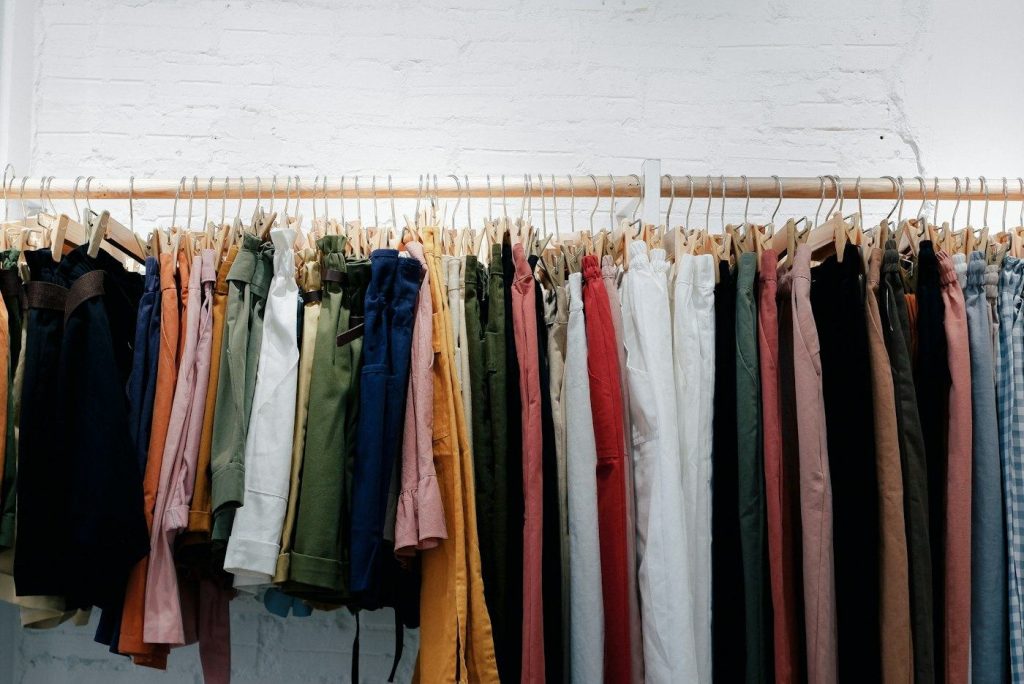
Our post on how to choose a resale partner compares white-label, managed, peer-to-peer and trade-in models in depth. For providers, see the best resale platforms in Europe.
Returned and damaged stock needs grading, and sometimes repair, before it enters a resale channel. See how to grade returned items and choose a resale channel.
Consider rental only for products built for it
Rental can work well for products people wear a few times, such as party and wedding outfits, maternity wear, children’s clothing or expensive outdoor gear for a single trip. It is also the most demanding model to run: every item goes out, comes back, and is checked, cleaned and repaired before it goes out again.
The product has to survive that cycle. The Ellen MacArthur Foundation gives the example of an occasion dress that looks faded or out of shape after two cleans: it is not a viable rental product, economically or environmentally. If your range was not designed for repeated use and cleaning, rental is a later step, not a first one. See the clothing rental platforms guide and the best clothing rental platforms in Europe.
Recycling: the essential last step, not the first model
Every brand needs a responsible route for products that can no longer be worn. But recycling on its own does little to keep value in the product, and today very little clothing becomes new clothing. That is why recycling works best as the end of a chain that starts with repair and resale.
Sorting decides what happens to collected clothing. Texaid, a collector and sorter, says on its website that it achieves a second-hand share of around 60% in sorting, against a European industry average of 45 to 50%. Around 15% of what it collects becomes cleaning cloths, another 15% goes to textile recycling and only 10% of the total volume collected is incinerated. So even a dedicated sorting operation sends the largest share of collected items to second-hand use, not recycling.
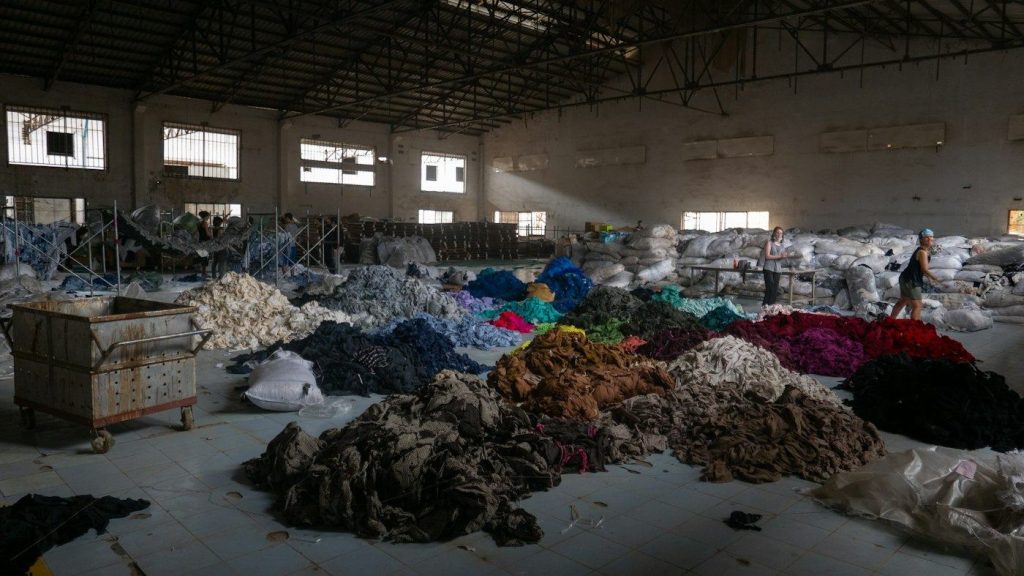
For brands, the practical route into recycling is usually a take-back programme with a sorting partner that reports where each item ends up. Our guide on how to set up a clothing take-back programme covers scope, incentives, channels and reporting. To understand the technologies, read mechanical vs chemical recycling and fibre-to-fibre recycling, and for partners see the textile recycling companies in Europe guide.
Five questions to choose your first model
- How long do your products last? If they last for years, repair and resale fit. If they are worn a few times, rental may fit. If they wear out quickly, start by improving durability before launching any service.
- What are your products worth second hand? Check marketplaces. High resale value points to resale and trade-in.
- How many products are in use? Resale and take-back need volume to run efficiently. A small brand can still offer repair from day one.
- What can your team run? Repair and resale can be fully outsourced to a partner; rental needs more coordination between logistics, cleaning and customer service.
- Which markets matter most? Logistics and EPR rules are national. Start in the market where you have the most customers, and check the EU rules for circular fashion that apply there.
How the models fit together
The models are stronger together than alone. A common sequence looks like this:
- Repair keeps products in use and gives you fault data.
- Trade-in and resale bring products back and sell them again, with repairs done before resale.
- Take-back and recycling handle everything that cannot be repaired or resold, with reporting on where it goes.
The same partner can sometimes cover several steps, for example a provider that handles take-back, grading, repair and resale. That reduces integration work, but ask how each step is reported. If you have unsold stock rather than used products, see what to do with unsold clothes after the EU destruction ban.
Common mistakes to avoid
- Treating circular services as an add-on. The Ellen MacArthur Foundation warns that these models do not always bring environmental benefits if they are only added to a traditional model rather than built into how the business works.
- Overclaiming. A recycling bin in store does not make a product circular. Describe exactly what your service does and what happens to the items. Our green claims guide explains the EU rules.
- Ignoring design. Products that are hard to repair or clean make every model more expensive. See how product design supports new business models.
A 90-day starting plan
- Weeks 1 to 2: check repair requests, returns reasons and second-hand prices for your top products. Choose one model and one market.
- Weeks 3 to 6: shortlist two or three partners from our directory guides and ask about pricing, reporting and integration. If you sell on Shopify and your team is small, see lightweight Shopify resale options for a small team.
- Weeks 7 to 12: run a time-limited pilot, measure cost per item and customer response, and decide whether to scale or add the next model.
For a wider introduction, read what circular fashion is.
Frequently asked questions
What are circular business models in fashion?
They are ways to earn revenue from products that are already made, by keeping them in use for longer or using them again. The main models are repair, resale and trade-in, rental and remaking, with recycling as the last step for items that cannot be reused.
Which circular business model should a small fashion brand start with?
Repair is usually the easiest start, because it needs no buy-back stock or new sales channel and can be run by a partner. If your products sell well second hand, a simple resale or trade-in pilot can follow.
Is resale better than recycling?
From an environmental point of view, reuse comes before recycling in the EU waste hierarchy, and the European Environment Agency states that reuse is more sustainable than recycling. Commercially, resale can earn a second margin, while recycling is usually a cost. Most brands need both: resale for what can be worn, recycling for the rest.
How big is the market for circular fashion business models?
The Ellen MacArthur Foundation estimates that resale, rental, repair and remaking could grow from 3.5% of the global fashion market to 23% by 2030, worth USD 700 billion. ThredUp projects the global second-hand apparel market to reach USD 393 billion by 2030.
Does textile EPR require brands to run their own take-back or repair service?
EPR makes producers pay fees that finance the collection and management of used textiles through national schemes, with fees adjusted for factors such as durability and recyclability. Running your own service is a separate choice. See our textile EPR guide for the obligations in each country. As of 17 November 2026; not legal advice.
Can one partner run repair, resale and recycling?
Some providers combine several services, such as take-back, grading, repair and resale. Others specialise. Ask any partner how they report outcomes per item, so you can see what was repaired, resold, reused and recycled.
Sources
- Ellen MacArthur Foundation, Rethinking business models for a thriving fashion industry and press release: Circular business models.
- ThredUp, 2026 Resale Report.
- European Environment Agency, Circularity of the EU textiles value chain in numbers (26 March 2025) and Management of used and waste textiles in Europe’s circular economy.
- European Commission, EU Strategy for Sustainable and Circular Textiles, Waste Framework Directive and Revised Waste Framework Directive enters into force, 16 October 2025.
- Company websites accessed 17 November 2026: United Repair Centre, Texaid, Sorting.
Related on SUSTAIN20™: How to launch a clothing repair programme · France’s Bonus Réparation explained · How to choose a resale partner · How to set up a take-back programme · Textile EPR costs · Repair · Resale · Rental · Recycling
Header image: Photo: Collab Media / Unsplash
