
 Add your solution
Menu

Damaged returns: how to grade, repair and resell e-commerce returns
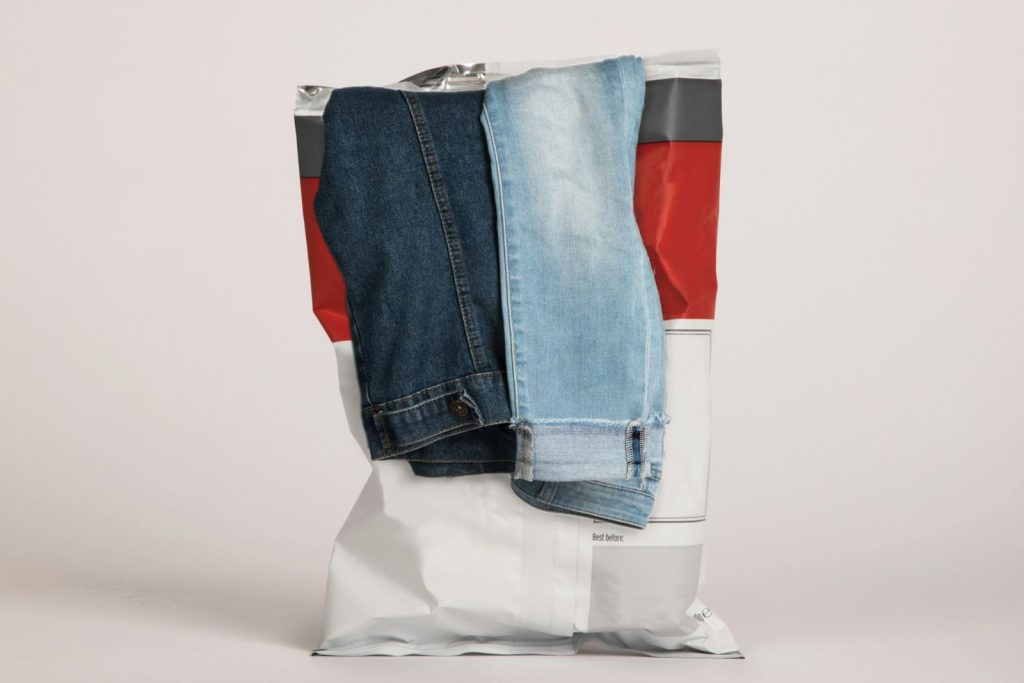
Short answer: Treat damaged returns as stock to recover, not waste. Capture the return reason and the customer’s photos before the parcel arrives, grade every item against written grade definitions, apply a standard fix for each common type of damage, and only repair when the repair costs less than the value it adds. Then send each grade to the channel that pays most for it, from restock to outlet, branded second-hand, a recovery partner or donation. The same grading and remediation records are what EU rules expect to see if an item ever has to be destroyed.
For the routes open to all unsold stock, see our unsold clothes playbook. This guide focuses on the returns line itself.
This article reflects EUR-Lex, European Environment Agency and company pages as they stood on 24 November 2026. It is not legal advice; check the rules in each country where you sell.
Why damaged returns need their own process
Returns are a volume business. The European Environment Agency (EEA) estimates that about 20% of clothing bought online in Europe is returned, one garment in five, and about 30% of footwear. It estimates that 22% to 43% of returned clothing bought online, on average one third, ends up destroyed.
Most returns are not damaged at all. The EEA reports that 70% of returns are caused by buyer-perceived poor fit or style, and that in the best case returns are restocked and sold again at full price, the so-called “A grade”. The problem is the rest: creased, marked, missing a button, worn once or genuinely faulty. Without a process, those items wait in a corner until they are out of season.
There is also a legal reason. Under the Ecodesign for Sustainable Products Regulation (ESPR), products returned under the right of withdrawal, or during any longer withdrawal period you offer, count as unsold consumer products. Since 19 July 2026, large companies may not destroy unsold clothing, accessories and footwear except under listed derogations; our ESPR and destruction ban guide explains the rules.
Step 1: capture information before the parcel arrives
Good grading starts at the returns portal. Collect three things:
- A reason code. “Too small”, “not as pictured” and “arrived faulty” lead to different checks. Returns software such as toern says its AI helps brands spot patterns in return reasons, which also feeds product and size-guide fixes.
- Photos. CIRQUEL describes an app that lets customers or operations teams capture images and an optional voice note before the item ships, grade its condition and recommend a next step: restock, repair, resale, buy-back or recycling.
- The type of return. A change-of-mind return and a faulty-goods claim are different legal situations, so flag which one it is.
For online sales, the Consumer Rights Directive gives a 14-day right of withdrawal, and the customer is only liable for diminished value caused by handling beyond what is needed to establish the nature, characteristics and functioning of the goods. Its recitals give clothing as the example: the consumer should only try on a garment and should not be allowed to wear it. A faulty item is a legal guarantee case instead, and for sales from 31 July 2026 the seller’s liability is extended by 12 months when the customer chooses repair; see our Right to Repair Directive explainer.
Step 2: grade every item against written definitions
A grade is a promise about condition, so it only works if everyone uses the same definitions. Write them down with reference photos and audit a sample every week. The scale below is an illustrative starting point, not an industry standard; adapt it to your products.
| Grade (illustrative) | What it means | Typical action | Default destination |
|---|---|---|---|
| A | Unworn, no marks, all labels and parts present | Check, refold, re-bag | Restock at full price |
| B | As new after light work: creased, loose thread, missing hang tag, a mark that spot-cleans | Steam, spot clean, re-tag, then the same quality check as new stock | Restock, or an “as new” outlet if it does not pass |
| C | Needs a repair: broken zip, missing button, open seam, stain that needs cleaning | Standard fix from your remediation plan | Restock if restored to first quality; otherwise second-hand with the condition described |
| D | Not resellable as it is and not worth repairing: heavily worn, soiled, hygiene issue | Record why, then route on | Donation or remake; recycling only under a documented derogation |
Two rules apply at every grade. The fibre composition label must survive: EU rules require textile products to be labelled with their fibre composition whenever they are made available on the market. And the General Product Safety Regulation applies to products whether new, used, repaired or reconditioned, so a repaired item must be as safe as a new one.
Step 3: decide whether a repair is worth it
Repair a damaged return when the value it adds is higher than the cost. Per damage type, compare the price after repair, the price as it is (for example through a second-hand or recovery partner) and the repair cost in labour, parts, cleaning and handling.
Illustrative example only: a dress that sells for €80 at full price might fetch €45 as damaged. If a €12 repair returns it to first quality, the repair adds €23 after its cost. If it only reaches “good used condition”, selling as is may be the better route.
The EU destruction rules use a stricter version of the same idea. The damage derogation only applies when repair and refurbishment are not technically feasible or not cost-effective, and “cost-effective” is defined against the full cost of destroying and replacing the product (Delegated Regulation (EU) 2026/296, Articles 1 and 2). Our unsold clothes playbook covers the derogations in full.
Step 4: build a restoration workflow with standard fixes
The Renewal Workshop, part of logistics provider Bleckmann, describes its process as collection, sorting and grading, cleaning, repairing, quality assurance, photography, packaging with renewal labels and resale, with recycling, downcycling or upcycling for items that cannot be resold. It is a useful template in-house too.
The heart of it is a remediation plan: one standard fix per common damage type, so that graders do not improvise. An illustrative plan might look like this:
| Damage type (illustrative) | Standard fix | What you need ready |
|---|---|---|
| Creases, lint, deodorant or make-up marks | Steam, lint roll, spot clean | Steamer, approved cleaning agents per fabric |
| Missing or loose button | Replace or re-secure | Spare buttons from production |
| Broken zip slider | Replace slider or zip | Spare sliders and zips per style |
| Open seam or small hole | Re-stitch or invisible mend | Matching thread, a trained machinist |
| Missing swing tag or packaging | Re-tag and re-bag | Spare tags, bags, label printer |
Order spare buttons, zips and tags with each production run so the repair bench never waits for parts. For skills and partners, see how to launch a clothing repair programme.
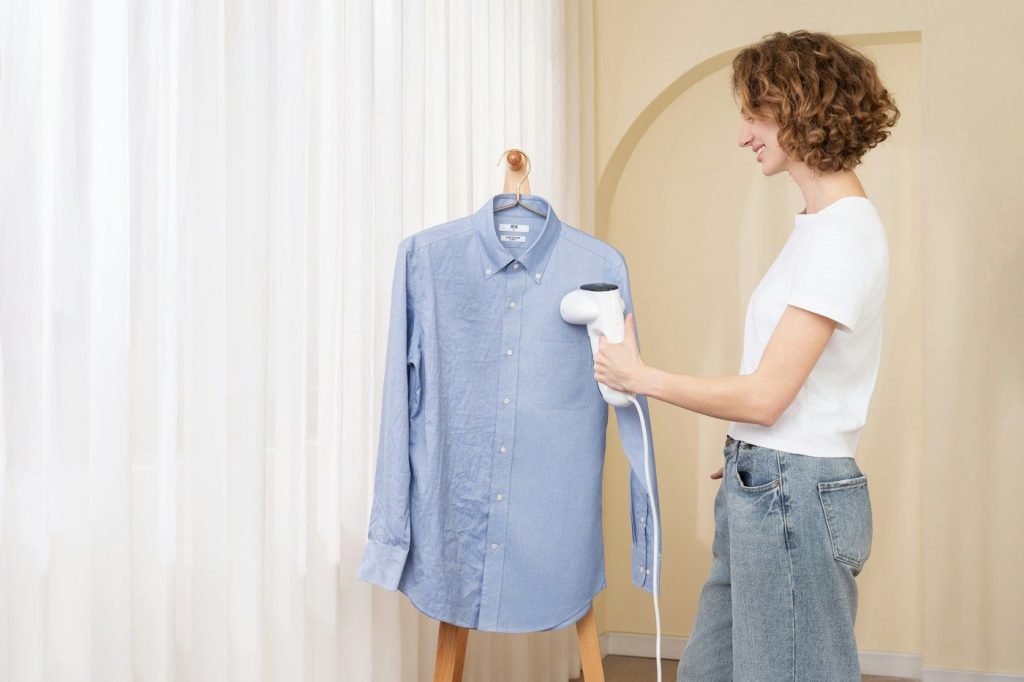
Keep records as you go. If an item is ever destroyed under the damage derogation, Delegated Regulation (EU) 2026/296 asks for evidence of quality assessment procedures, including visual inspection and sorting that prioritises restocking and repairs, a description of the procedure, standardised remediation plans for specific types of damage, and the cases where repair is not possible (Article 3). Records must be kept for five years. Your grading rules and remediation plan are the documentation.
Step 5: choose the resale channel for each grade
The EEA notes that returns that cannot be sold at full price are often sold at reduced prices, donated or sold to middlemen known as jobbers. A deliberate channel plan recovers more.
| Channel | Best for | Watch out for |
|---|---|---|
| Restock on your own site | Grade A, and B or C items that pass the same check as new stock | Speed: every week waiting costs sell-through |
| Outlet or “as new” section | Grade B and C items sold at a discount with the condition stated | Clear condition descriptions; cannibalising full price |
| Branded second-hand shop | Repaired grade C items, alongside trade-ins | Separate condition grades and stock records; see how to choose a resale partner, or a lightweight Shopify set-up for a branded second-hand shop |
| Managed recovery partner | Batches you cannot process yourself | Brand rules, approval of listings, reporting back per item |
| Donation or remake | Wearable grade D items | Agree label removal and reporting in writing |
| Recycling | Grade D items only when a derogation applies | Documentation and the statement to the waste operator |
Condition descriptions deserve care. EU consumer law treats information that deceives, or is likely to deceive, the average consumer about a product’s main characteristics as a misleading commercial practice. If a repaired item meets your full first-quality standard, it can go back into stock. If it does not, say what was repaired or what remains visible.
In-house or partner?
Run restoration in-house when volumes are steady and fixes simple. Use a partner for seasonal peaks, technical repairs or end-to-end resale. Partners describe different scopes:
- Reekom says it restores production defects and e-commerce and in-store returns to resellable condition, from basic repairs such as hems, buttons and zips to technical alterations.
- Sojo says it repairs and restores marked-out stock, from shop-floor returns to warehouse overstocks.
- Birl describes a fully managed route: you send damaged returns, and it triages, cleans, repairs, lists and sells them through resale channels.
Compare more providers in our garment repair services and branded resale platforms guides. Items customers no longer want after the return window belong in a take-back programme rather than the returns line.
What to measure
- Restock rate by grade, and recovery rate: revenue from restored returns against original full price.
- Cost per restored item, per damage type.
- Days from return to resale: the clock that matters most for seasonal stock.
- Top damage types and return reasons by style: feedback for design and sizing.
Practical takeaways
- Collect a reason code and photos at the returns portal, and flag change-of-mind returns separately from faulty-goods claims.
- Write grade definitions with reference photos, and keep the fibre label on every item.
- Agree one standard fix per common damage type and order spare parts with production.
- Repair only when the value added beats the cost, match each grade to a channel and describe condition honestly.
- Keep grading and remediation records; they double as the evidence the destruction rules ask for.
Frequently asked questions
What should a fashion brand do with damaged returns?
Grade them against written definitions, apply a standard fix where it pays, and send each grade to the right channel: restock, outlet, branded second-hand, a recovery partner or donation. For large companies in the EU, recycling is only allowed under specific derogations.
Can we destroy returned clothes that are damaged?
Large companies in the EU may only destroy unsold clothing, including returns, under listed derogations. For damaged items, that means repair and refurbishment must be technically unfeasible or not cost-effective, and you must keep documentation, including your quality assessment and remediation plans, for five years.
Can we charge customers for returns that have been worn?
Under the Consumer Rights Directive, a customer who withdraws from an online purchase is liable for diminished value caused by handling beyond what is needed to check the goods, and the recitals say a garment should only be tried on, not worn. How deductions work depends on national law.
Can a repaired return be sold as new?
Only if it genuinely meets your first-quality standard and passes the same checks as new stock. If a repair is visible or the item is not as new, sell it with the condition stated, because misleading consumers about a product’s main characteristics is an unfair commercial practice under EU law.
What is a returns grading system?
A short scale, often A to D, that describes the condition of each returned item and the action that follows, from restock to repair to donation.
Should we repair returns in-house or use a partner?
In-house suits steady volumes and simple fixes such as steaming, re-tagging and buttons. A partner suits seasonal peaks, technical repairs and end-to-end resale.
Sources
- European Environment Agency, The destruction of returned and unsold textiles in Europe’s circular economy (briefing, 4 March 2024).
- EUR-Lex, Regulation (EU) 2024/1781 (ESPR), Articles 2(37) and 25.
- EUR-Lex, Commission Delegated Regulation (EU) 2026/296 on derogations from the destruction ban, Articles 1 to 4.
- EUR-Lex, Directive 2011/83/EU on consumer rights, Articles 9, 13 and 14, recital 47.
- EUR-Lex, Directive (EU) 2024/1799 on common rules promoting the repair of goods, Article 16.
- EUR-Lex, Regulation (EU) No 1007/2011 on textile fibre names and labelling, Article 14.
- EUR-Lex, Regulation (EU) 2023/988 on general product safety, Article 2(3).
- EUR-Lex, Directive 2005/29/EC on unfair commercial practices, Article 6.
- Company pages, accessed 24 November 2026: toern, CIRQUEL, The Renewal Workshop (Bleckmann), Reekom, Sojo, Birl.
Related on SUSTAIN20™: What to do with unsold clothes after the EU destruction ban · How to choose a resale partner · How to launch a clothing repair programme · How to set up a take-back programme · Repair vs resale vs recycling · ESPR and the destruction ban · Best resale platforms in Europe · Repair · Resale
